


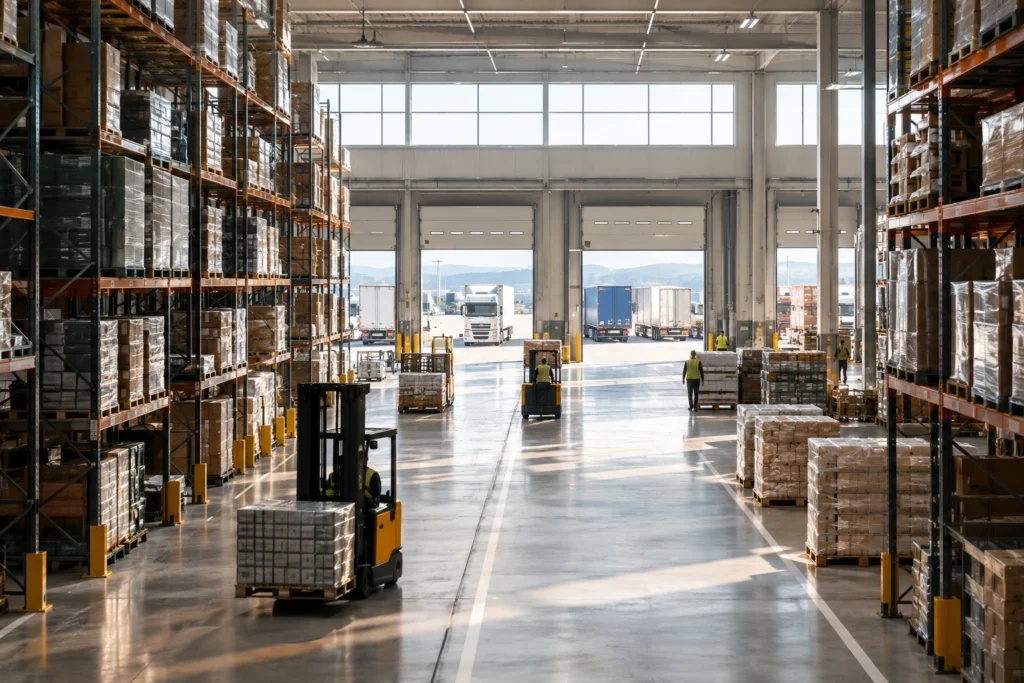
Food and Beverage Trade in 2026: What Is Changing in Global Sourcing?
The food and beverage industry is entering 2026 in a market that is more difficult to predict than it was a few years ago. Commodity prices remain volatile, weather events continue to affect agricultural production, and geopolitical tensions can quickly disrupt established trade routes.
At the same time, food companies are rethinking how and where they source products. Price is still important, but it is no longer the only factor. Reliability, supply continuity, product quality and access to the right suppliers have become increasingly important when making sourcing decisions.
For companies buying food and beverage products internationally, these changes are creating both challenges and new opportunities.
Food Prices, Weather and Geopolitics
Food sourcing has always been influenced by agricultural conditions, but recent years have shown how quickly local problems can become global ones.
Droughts, excessive rainfall, changing growing conditions and other weather-related events can affect the availability and price of important commodities. Transport costs, energy prices and geopolitical developments can add another layer of uncertainty.
This means that buyers and distributors cannot always rely on the same sourcing patterns year after year.
For many businesses, having access to alternative suppliers and markets is becoming an important part of managing this uncertainty. A supplier that can offer consistent quality and dependable delivery can be just as valuable as a competitive price.
According to the FAO, global food markets continue to be influenced by changes in production, trade conditions, energy costs and international commodity markets.
Why Supply Chain Resilience Matters
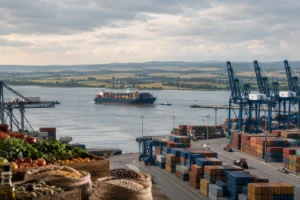
The disruptions of recent years changed the way many food companies think about supply chains.
Previously, sourcing decisions were often driven mainly by price, volumes and existing supplier relationships. Today, companies are paying more attention to what happens when something goes wrong.
- Can another supplier provide the same product?
- Is there a second sourcing market?
- How reliable are delivery schedules?
- Can the supplier maintain quality when demand changes?
These are practical questions, but they can have a major impact on a company’s ability to serve its customers.
For importers, distributors and wholesalers, building a more flexible supply chain does not necessarily mean replacing existing suppliers. In many cases, it means developing additional relationships and having better visibility into alternative sourcing options.
This is one reason why international food sourcing is becoming more strategic.
How Major Food Companies Are Reshaping the Market
Another important development in the food and beverage sector is the continued restructuring of major food companies.
Large groups are reviewing their portfolios, acquiring businesses that fit their long-term strategy and selling activities that are no longer considered core.
One of the biggest examples reported in 2026 was Mars‘ acquisition of Kellanova, a deal valued at around $36 billion. Ferrero also completed its acquisition of WK Kellogg, while other major companies continued to review their portfolios and organizational structures.
These transactions are not only financial events. They reflect a broader change in the industry.
Large food companies are looking more carefully at which categories, brands and markets they want to focus on. This can create opportunities further down the supply chain, particularly for companies that can respond quickly to changing product requirements and market demand.
The result is a food and beverage market where flexibility can be a competitive advantage.
Why Europe Remains an Important Food Sourcing Market
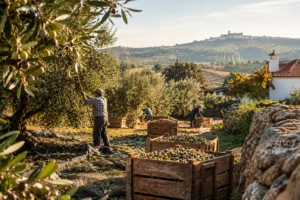
Europe continues to play an important role in international food and beverage trade.
The region has a large and diverse food industry, established agricultural production, strong food-safety standards and extensive experience in exporting food products to international markets.
For buyers outside Europe, European suppliers can offer access to a wide range of products, from packaged foods and beverages to ingredients, olive oil, herbs, spices, snacks and dried products.
Portugal is particularly interesting for companies looking for European food products. Its food industry combines traditional products with modern production capabilities and has a strong presence in international markets.
For international buyers, however, finding the right European supplier is not always straightforward.
There may be language differences, different commercial practices, minimum order requirements, certification questions, logistics considerations and, most importantly, the need to verify whether a supplier is genuinely suitable for the buyer’s market.
Sourcing Is Becoming More Strategic
Finding a supplier is only one part of the sourcing process.
The more important question is whether that supplier is the right fit for the business.
A successful sourcing relationship usually depends on several factors:
- Product quality and consistency
- Competitive and transparent pricing
- Reliable communication
- Production and supply capacity
- Required certifications and documentation
- Packaging and labelling requirements
- Export experience
- Delivery and logistics capabilities
- Ability to adapt to changing demand
For this reason, international food sourcing often requires more time and market knowledge than simply searching for a product online.
A buyer may find dozens of potential suppliers, but identifying the ones that are commercially relevant and dependable is a different task.
Finding the Right European Food Sourcing Partner

This is where a sourcing partner can make a real difference.
Instead of managing every supplier search independently, importers, distributors and wholesalers can work with a company that understands the European food market and can help connect them with suitable producers and products.
At NovelArrumado, we work with food and beverage products and help connect European suppliers with international buyers.
Our approach is straightforward: understand what the buyer is looking for, identify suitable products and suppliers, and help make the commercial process between both sides more efficient.
For buyers looking for products from Portugal and other European markets, this can provide access to opportunities that may otherwise take considerably more time and resources to identify.
The goal is not simply to find another supplier. It is to build sourcing relationships that make sense for both sides.
What the Future Holds for International Food Trade
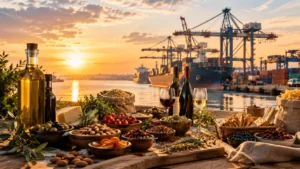
There is no simple way to predict what food prices, transport costs or commodity markets will look like over the next few years.
What is becoming clearer, however, is that international food trade is unlikely to return to the relatively predictable sourcing environment that many companies once relied on.
Buyers will need to pay closer attention to supply risks, diversify where appropriate and build stronger relationships with suppliers.
European food markets are likely to remain an important part of this picture, particularly for buyers looking for quality products, established standards and access to a broad range of categories.
For businesses involved in importing and distributing food and beverages, the ability to find the right products and reliable suppliers can become a genuine competitive advantage.
At NovelArrumado, we believe that good sourcing starts with understanding the market and the people behind the products.
If you are looking for food and beverage products from Portugal or other European markets, we would be happy to discuss your requirements and explore suitable sourcing opportunities.
Looking for European food products? Get in touch with NovelArrumado and let’s discuss your sourcing needs.
Sources
- FOOD ENGINEERING — FOOD ENGINEERING’s 2026 Top 100 Food and Beverage Companies
- European Commission — Agriculture and Food
- FoodDrinkEurope — European Food and Drink Industry
- FAO — Food Price Index and global food market information
- Reuters — Food industry, commodities and global trade coverage
- NovelArrumado — European food and beverage sourcing
